
Troubleshooting
Posting too much online might seem harmless, but oversharing on social media exposes you to serious risks—from identity theft to cyberbullying. These 10 dangers highlight privacy threats most users overlook before hitting 'post.'
Identity Theft Through Location Sharing
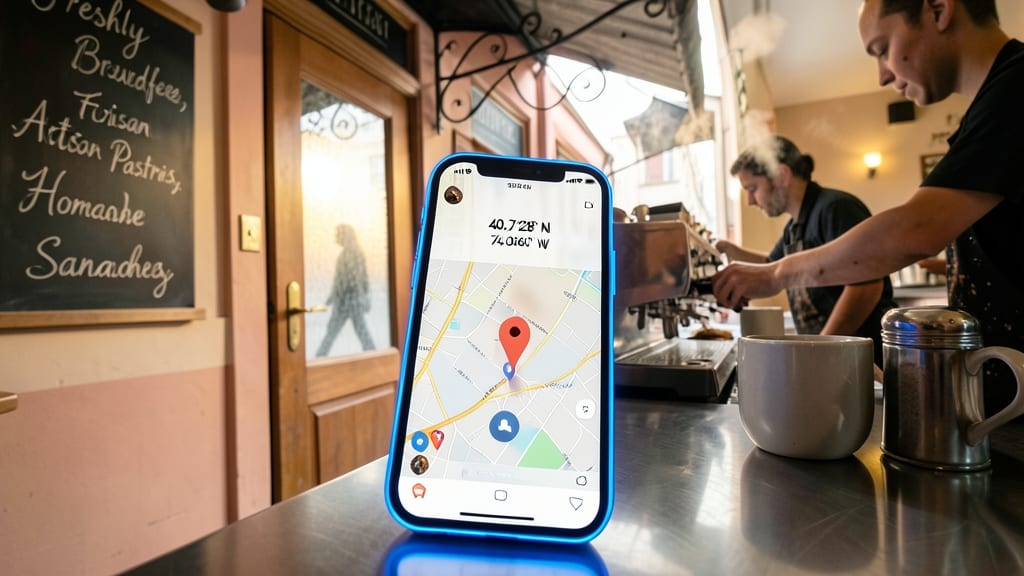
That "quick check-in" from your morning coffee shop might be broadcasting more than you realize. When you tag your real-time location on social media, you’re not just sharing your current spot—you’re revealing patterns that could turn your home into a target for burglars or stalkers tracking your routine.
Burglars often scout neighborhoods for vacation posts or consistent "away from home" tags, timing breaks when they know you’re out. Apps like Facebook, Instagram, and Snapchat default to sharing location data unless manually disabled, making it easy for predators to monitor when your house sits empty. Even "check-in" features on dating apps can expose your whereabouts to strangers.
This risk isn’t just theoretical—43% of burglars admit to casing homes via social media before striking. If you love posting about your daily life, consider disabling location services for posts or using private accounts to limit exposure. 💡
Workplace Discrimination From Job Postings
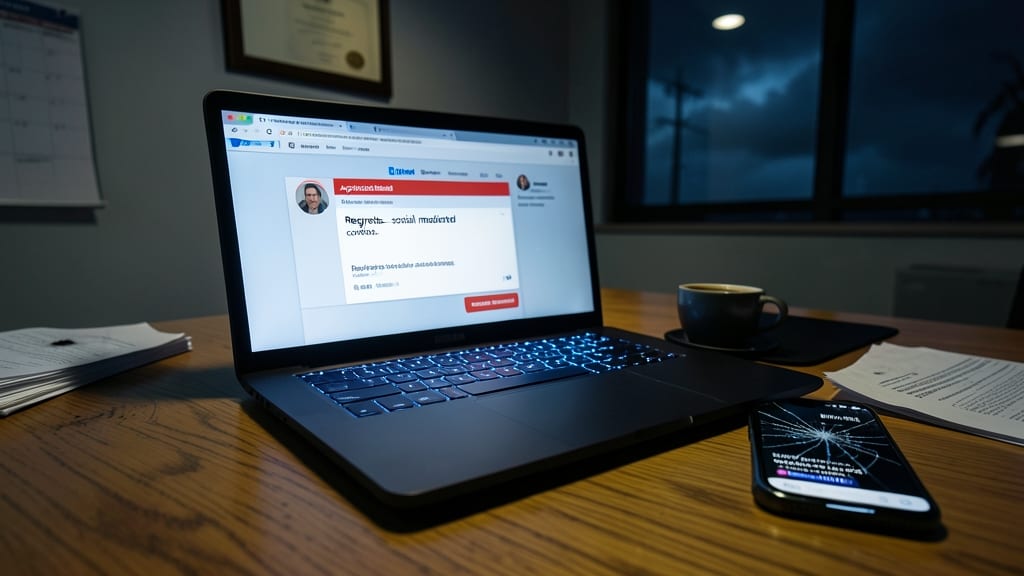
Your dream job application could be derailed before it even reaches a hiring manager—thanks to one overshared post. A staggering 70% of recruiters admit to checking candidates’ social media, and content about political affiliations, salary demands, or health struggles often triggers automatic disqualification.
Even seemingly harmless details—like complaining about your current boss or posting photos from a company event—can raise red flags. A 2023 CareerBuilder survey found that 60% of employers have rejected candidates based on social media content, with 1 in 5 citing "inappropriate" political views as the reason. The risk isn’t just about getting ignored; some companies use public posts to justify denying promotions or firing employees post-hire.
Job seekers and professionals should treat LinkedIn and other platforms like a public portfolio—polished, professional, and free of controversial or personal details. A quick audit of your profiles could save you from unintended career setbacks. 💻
Cyberbullying Escalation From Personal Details
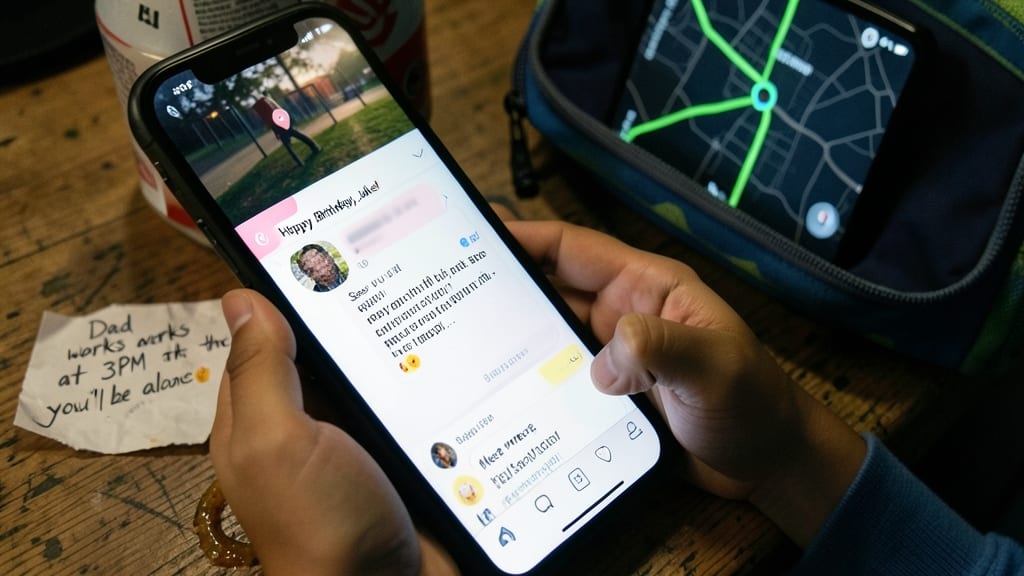
That seemingly harmless birthday post or school route update could be a bully’s cheat sheet. Cyberbullies often weaponize personal details like pet names, favorite hangouts, or even your child’s school to escalate harassment from screens to real life—think targeted threats, stalking, or doxxing campaigns.
Platforms like Facebook, Instagram, and Snapchat let trolls combine seemingly innocent details (e.g., “My dog’s name is Max” + “I live near Lincoln High”) to craft personalized attacks. A 2023 study found that 68% of teens who shared their birthday online reported increased harassment within weeks. Even “private” stories can leak through screenshots, giving bullies endless fuel.
Parents and young users should treat personal details like passwords—never share what could identify you or loved ones. Before posting, ask: Could this help someone hurt me or mine? A little caution now prevents years of trauma. 💪
Phishing Scams Using Shared Information
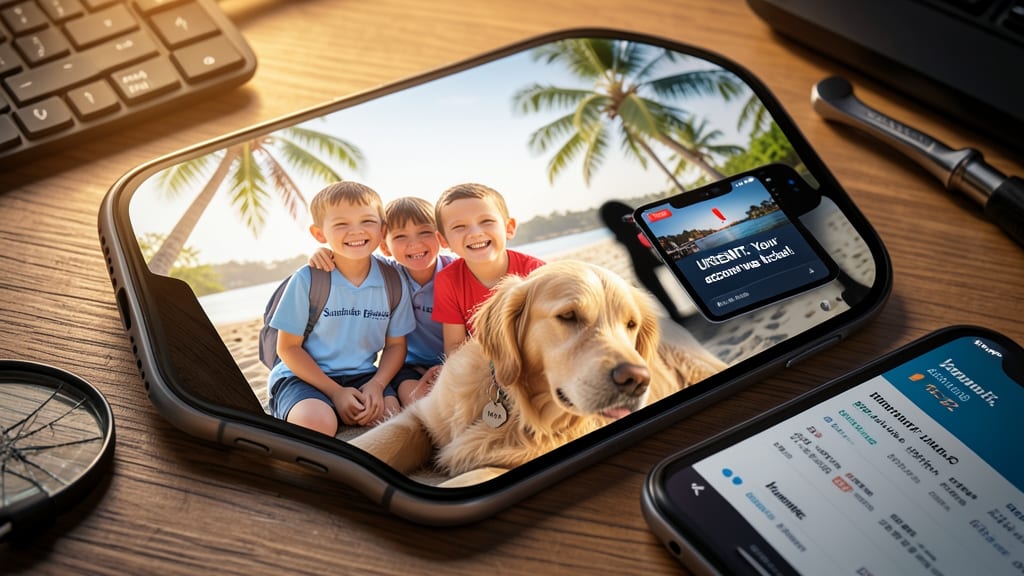
That vacation photo with your kids’ faces might seem innocent, but hackers use it to craft hyper-personalized phishing scams. By piecing together details from your posts—like your dog’s name, your child’s school, or your upcoming trip—they create fake urgency ("Your account was hacked!") or impersonate trusted contacts ("Your son’s teacher needs your credit card details").
These scams bypass generic spam filters because they reference real-life details only you’d know. For example, a fake "bank alert" might mention your favorite coffee shop**—a place you’ve tagged in 10 posts. The goal? Tricking you into clicking a malicious link or revealing your password. Even "harmless" posts about hobbies or family routines can become goldmines for attackers.
Parents, travelers, and small business owners are prime targets—anyone whose online presence reveals patterns. Before posting, ask: Could this help a scammer trick me? A quick privacy audit (like reviewing old posts) could save you from falling for a scam. 💻
Relationship Conflicts From Oversharing
That heated argument you posted as a "vent" might come back to haunt you—literally. Couples who overshare relationship drama on social media often face trust erosion, public humiliation, or even legal battles when screenshots go viral or ex-partners weaponize the content.
Platforms like Facebook and Instagram lack built-in controls for deleting posts from others’ screenshots, while Twitter/X threads can resurface years later. A 2023 study found that 38% of couples regretted oversharing, with 12% reporting fallout from employers or family members seeing private conflicts. Even "private" stories on Snapchat or WhatsApp can be recorded and leaked.
This risk isn’t just emotional—some states treat revenge porn or harassment via leaked messages as criminal offenses. If you’re in a relationship, assume nothing is truly private online. ✨
Blackmail Risks From Compromising Photos
One seemingly harmless photo or video from years ago could become your digital Achilles' heel. Ex-partners, hackers, or even corporate rivals can weaponize private content to extract money, silence criticism, or manipulate you into compliance—often with just a threat sent to your email or phone.
Compromised images aren’t just about nudity; they include anything that can be twisted—like vacation photos revealing your home’s layout, gym selfies showing your daily routine, or even seemingly innocent group shots with identifiable faces. A single screenshot or leaked file can circulate forever, and platforms like Facebook, Instagram, or cloud storage often lack ironclad deletion guarantees. Even "private" messages can be intercepted or subpoenaed.
This risk isn’t just for celebrities—anyone with a digital footprint is vulnerable. If you’ve ever posted anything you’d regret seeing in a courtroom or boardroom, it’s time to audit your archives. The stakes are higher than you think. 💻
Insurance Fraud From Health Oversharing
That gym selfie looking strong after your knee surgery? Insurers might see it differently. A single post about a medical condition or injury can trigger investigations, void claims, or spike premiums—especially if it contradicts your official records.
Some insurers now scour social media as part of claims investigations, using posts to argue fraud or pre-existing conditions. Even vague updates like "feeling better after my back surgery" could raise red flags if filed months later. The American Association of Insurance Services reports cases where policyholders were denied coverage due to public posts.
If you’ve ever shared health updates, check your privacy settings—limit visibility to trusted contacts only. This risk isn’t just for athletes or high-profile injuries; even minor conditions can become leverage. 💡
Targeted Advertising Manipulation
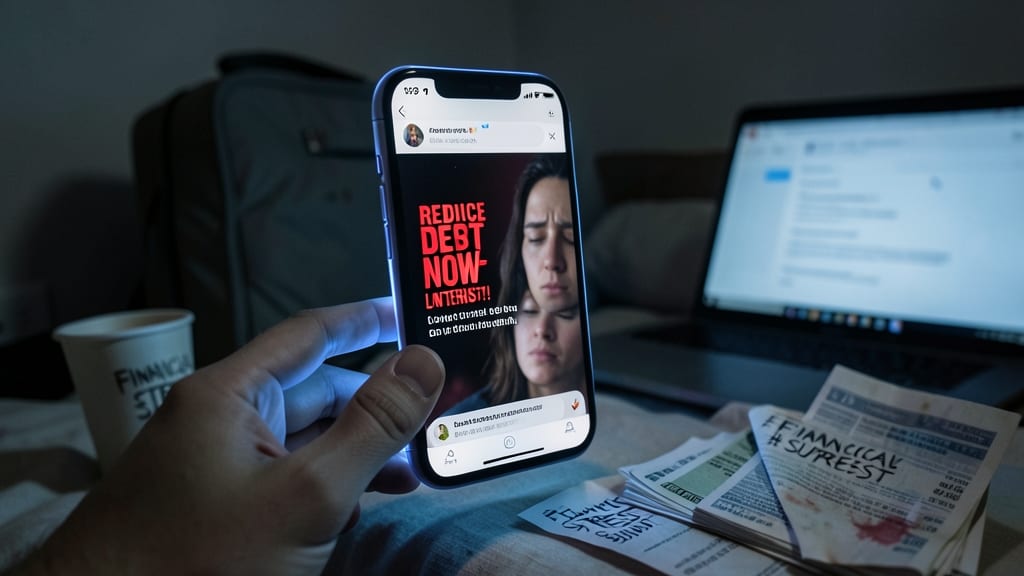
Ever notice how ads for debt consolidation suddenly appear after you vent about financial stress? That’s not a coincidence—it’s algorithmic exploitation in action. When you overshare personal struggles (like job searches, health battles, or relationship issues), platforms like Facebook and Instagram feed that data to third-party advertisers specializing in predatory services.
These ads aren’t random—they’re hyper-personalized to prey on your vulnerabilities. For example, posting about a divorce might trigger ads for "quick divorce lawyers" or "emotional support scams." Even discussing anxiety could lead to ads for unregulated "miracle cures." The real-time bidding system behind targeted ads ensures your pain points become someone’s profit stream, often without your consent.
This manipulation isn’t just annoying—it’s a digital manipulation tactic used by scammers and shady marketers. If you’ve ever felt "watched" online, it’s because you are. The fix? Limit what you share, use ad-blockers, and audit your privacy settings regularly. 💡
Legal Consequences From Defamation Posts
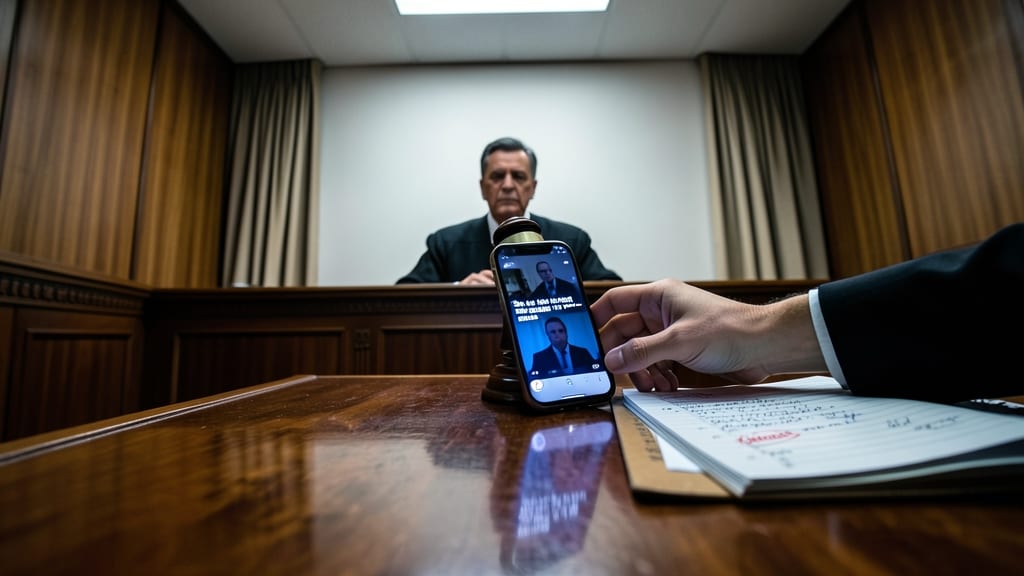
A single careless post about someone else could land you in court—even if you didn’t mean harm. Defamation laws treat false statements that damage someone’s reputation as serious offenses, and social media makes it easy to spread misinformation without realizing the consequences.
Courts have ruled that posts accusing someone of misconduct, sharing private medical details, or even joking about sensitive topics can qualify as libel or slander. The legal threshold is surprisingly low: if your post is verifiably false and harms someone’s career, relationships, or mental health, you could face lawsuits with damages up to $100,000+. Even "harmless" gossip about coworkers or ex-partners has led to invasion of privacy lawsuits in states like California and New York.
Small business owners, public figures, and everyday users alike should think twice before posting about others—especially when emotions run high. A quick privacy audit of your social media can help catch accidental overshares before they escalate. ✨
Social Media Account Hijacking
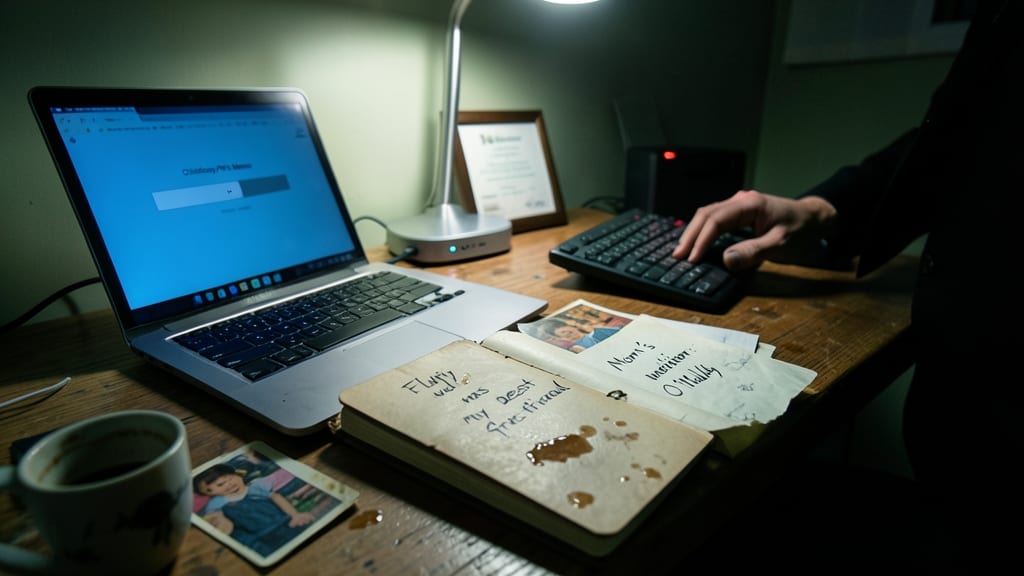
Your childhood pet’s name or your mom’s maiden name might feel like harmless details—but they’re actually the perfect password reset clues for hackers. When you overshare these on social media, you’re handing cybercriminals the keys to lock you out of your own accounts permanently.
Most platforms use security questions (like "What’s your first pet’s name?") to verify identity. If that info is public, hackers can bypass two-factor authentication and hijack your email, banking, or social profiles. Even "private" posts can be scraped by bots—once your data’s out there, it’s nearly impossible to erase completely.
This risk hits hardest for small business owners, freelancers, and parents—anyone whose accounts hold sensitive data. A single hijacked profile can lead to fake support scams or fraudulent transactions under your name. ⚡