
Software
Microsoft SQL Server Management Studio (SSMS) has evolved significantly since its debut, offering powerful tools for database administrators and developers. This timeline explores 10 key versions, highlighting the major features and updates that transformed SSMS into an indispensable tool for SQL Server management.
Initial SSMS Release with SQL Server 2005
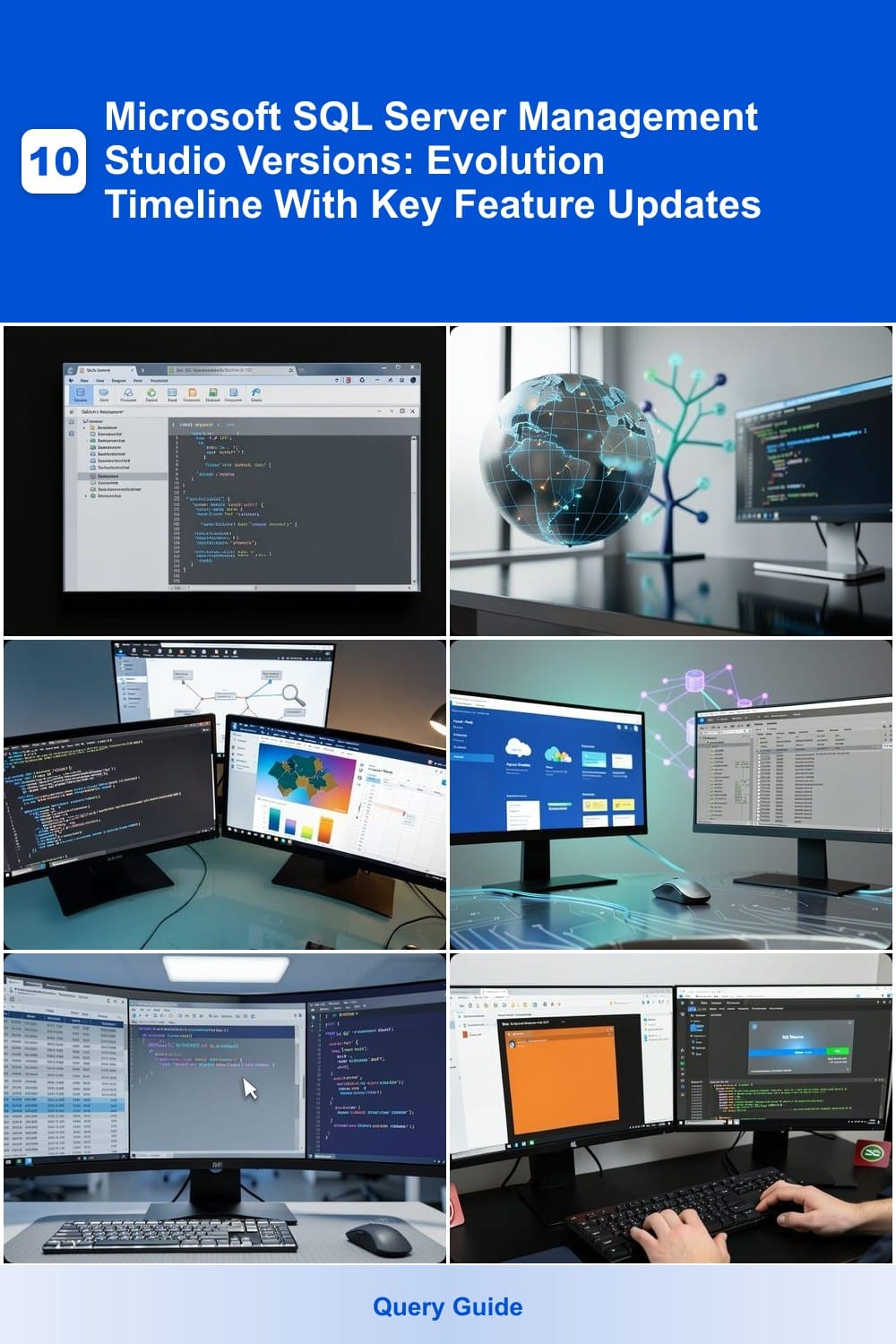
Say goodbye to the clunky Enterprise Manager—the initial SSMS release with SQL Server 2005 marked a clean break, introducing a unified, lightweight interface designed for both new users and seasoned DBAs. This was the first standalone version, ditching legacy dependencies and streamlining database management into a single, intuitive tool.
Key features included a modernized Object Explorer, basic query editing tools, and support for SQL Server 2005’s new features like native XML data types. It ran on Windows XP/Server 2003, making it accessible for small businesses and developers transitioning from older systems. The dark blue and silver UI (a nod to its era) felt fresh compared to its predecessor.
Perfect for small teams or solo admins upgrading from SQL Server 2000, this version bridged the gap between legacy tools and the modern SSMS ecosystem. 💻
SQL Server 2008 Management Studio Enhancements

If you work with geographic data or complex hierarchical structures, SQL Server 2008 Management Studio introduced game-changing features that set it apart. This version wasn’t just an incremental update—it added native support for spatial data types, letting you store and query location-based data directly within SQL Server without third-party tools.
The table-valued parameters feature became a lifesaver for developers passing entire datasets to stored procedures, while IntelliSense received major upgrades to handle complex queries with better accuracy. These improvements made it easier to build applications for logistics, GIS mapping, or organizational hierarchies—without sacrificing performance.
Perfect for developers and DBAs working with geospatial applications or nested data structures, this version bridged the gap between raw SQL power and real-world use cases. ✨
SQL Server 2012 Version with Power View Integration
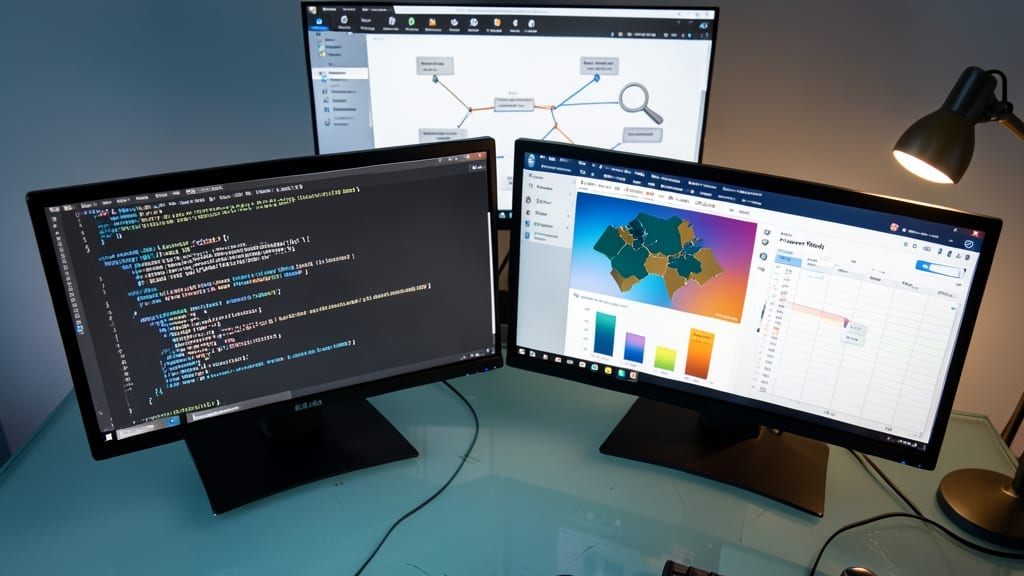
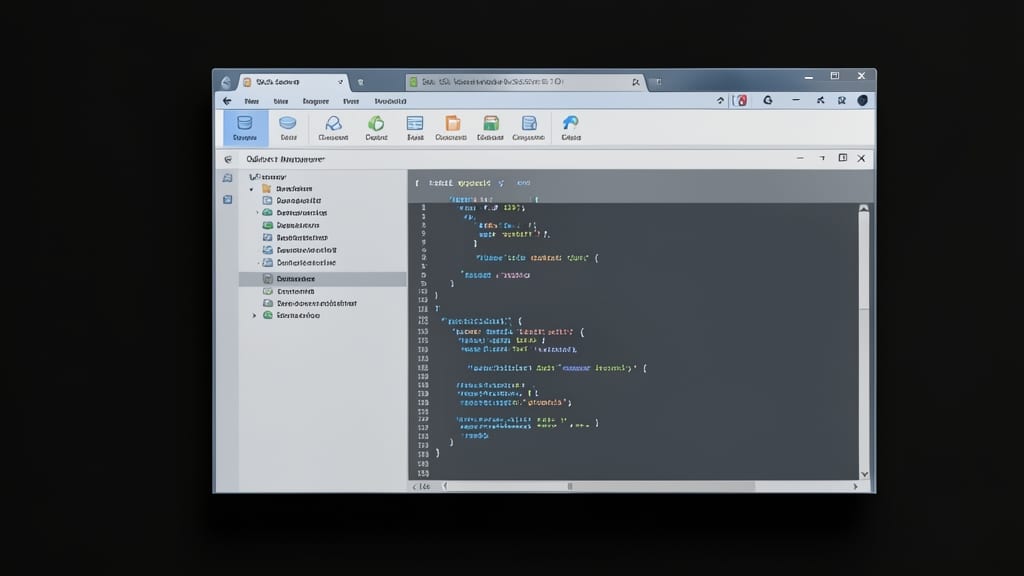
If you’ve ever struggled to turn raw SQL data into compelling visual stories, SQL Server 2012 introduced Power View—a game-changer for business intelligence (BI) professionals. This version shifted SSMS from a purely administrative tool to a self-service analytics powerhouse, letting users drag-and-drop data into interactive dashboards without writing a single line of code.
The Power View integration brought DAX (Data Analysis Expressions) support and seamless Excel integration, enabling dynamic filters, drill-down capabilities, and real-time data exploration. It also introduced SharePoint integration, letting teams collaborate on reports across departments. For BI teams drowning in spreadsheets, this was the first step toward modern, visual data storytelling.
Perfect for analysts and BI developers who need to democratize data access, SQL Server 2012’s Power View remains a cornerstone for organizations transitioning from static reports to interactive insights. ✨
SQL Server 2014 Cloud-Centric Management Tools
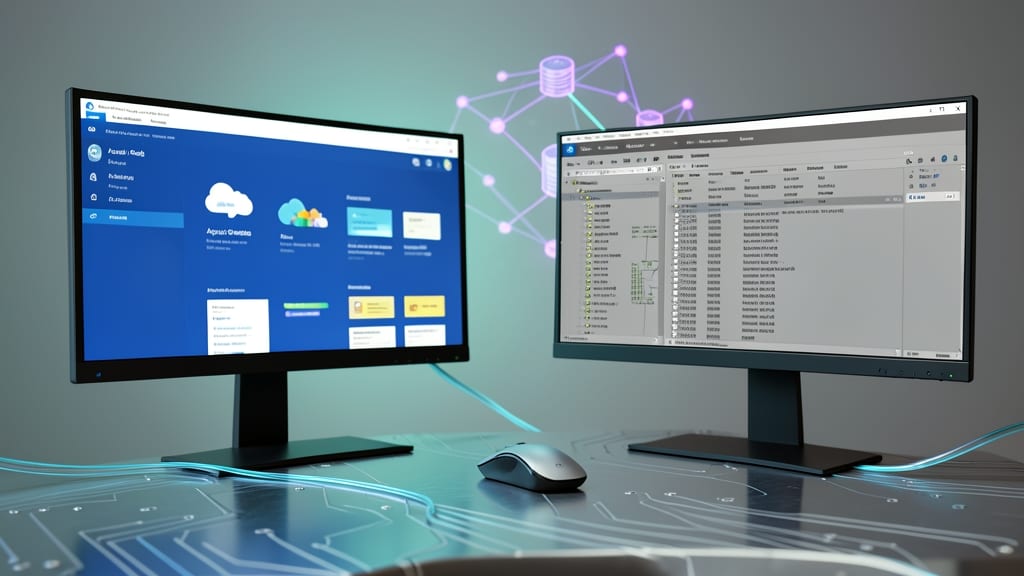
If your database infrastructure spans both on-premises and cloud environments, SQL Server 2014’s cloud-centric tools were a game-changer. This version introduced native Azure SQL Database integration, letting administrators manage cloud-hosted databases alongside traditional SQL Server instances from a single interface.
The Azure SQL Database connection options streamlined hybrid cloud workflows, while enhanced backup and restore capabilities made migrating data between environments seamless. For administrators testing cloud migration strategies, the side-by-side management of on-prem and cloud databases reduced complexity and cut deployment time.
This version was ideal for IT teams evaluating Azure SQL Database or running hybrid setups, offering the flexibility to test cloud solutions before full migration. ✨
SQL Server 2016 Advanced Analytics Features
If you're bridging the gap between raw data and actionable insights, SQL Server 2016 introduced game-changing tools that finally brought R scripting directly into your database workflows. No more exporting datasets to external tools—just write, test, and deploy predictive models without leaving SSMS.
The R Services integration lets you execute R scripts alongside T-SQL queries, while the enhanced Query Store captures execution history for deep performance analysis. For data scientists, this means seamless collaboration with DBAs, and for performance tuners, it unlocks real-time query behavior insights—like never before.
This version is a must for teams blending analytics with relational databases, especially if you're working with predictive modeling or need to debug complex query plans. ✨
SQL Server 2017 Cross-Platform Support
SQL Server 2017 shattered the Windows-only barrier with native Linux support, letting you manage databases on Ubuntu, RHEL, or SUSE—finally giving teams flexibility beyond Windows Server. This was the first version to fully embrace Docker containers, letting developers spin up SQL Server instances in isolated environments with a simple docker run command.
The cross-platform compatibility extended to tools like sqlcmd and bcp, while Always Encrypted (introduced here) became a game-changer for security-conscious teams. Whether you're running microservices on Kubernetes or need to test Windows/Linux hybrid setups, this version made it seamless to work across ecosystems without rewriting scripts. ⚡
DevOps teams and mixed-OS environments saw the biggest wins—finally able to standardize on SQL Server without forcing everyone to Windows. If you're managing containers or need Linux compatibility, this is the version that unlocked modern flexibility. 💻
SQL Server 2019 Big Data Cluster Integration

If your enterprise is drowning in data lakes but craving smarter insights, SQL Server 2019 introduced Big Data Clusters—a game-changer for AI-driven analytics. This wasn’t just another incremental update; it fused SQL Server’s relational power with Azure Data Lake Storage and Spark for unified big data processing.
The integration lets you run machine learning models directly against your transactional data without ETL bottlenecks. Features like polybase queries (joining SQL tables with external data) and Kubernetes orchestration for cluster management make scaling effortless. For teams already using Azure ML or Databricks, this version bridges the gap between structured and unstructured data—all while keeping costs predictable with SQL Server licensing.
This version is ideal for data engineers building AI pipelines or enterprise DBAs managing petabyte-scale workloads. The ability to query Parquet/ORC files alongside SQL tables in a single query makes it the first true "data fabric" tool in the Microsoft ecosystem. ✨
SQL Server 2022 Intelligent Query Processing

When query performance feels like solving a Rubik's Cube blindfolded, SQL Server 2022's Intelligent Query Processing (IQP) steps in as your cheat sheet. This version introduces automated query optimization that learns from your workload patterns, reducing manual tuning efforts by up to 30% for complex queries.
Key features include batch mode on rowstore (extending batch processing to traditional tables), memory-optimized tempdb (cutting latency for temp table operations), and AI-driven plan selection that evaluates multiple execution paths in real-time. The Query Store now includes IQP metrics, letting you track optimization effectiveness directly in SSMS.
Database administrators managing high-transaction OLTP systems or data warehouses with mixed workloads will see the biggest gains. If your queries involve nested loops, hash joins, or complex aggregations, this version’s IQP features could shave critical milliseconds off critical operations. ✨
SSMS 18.0 Standalone Release Features
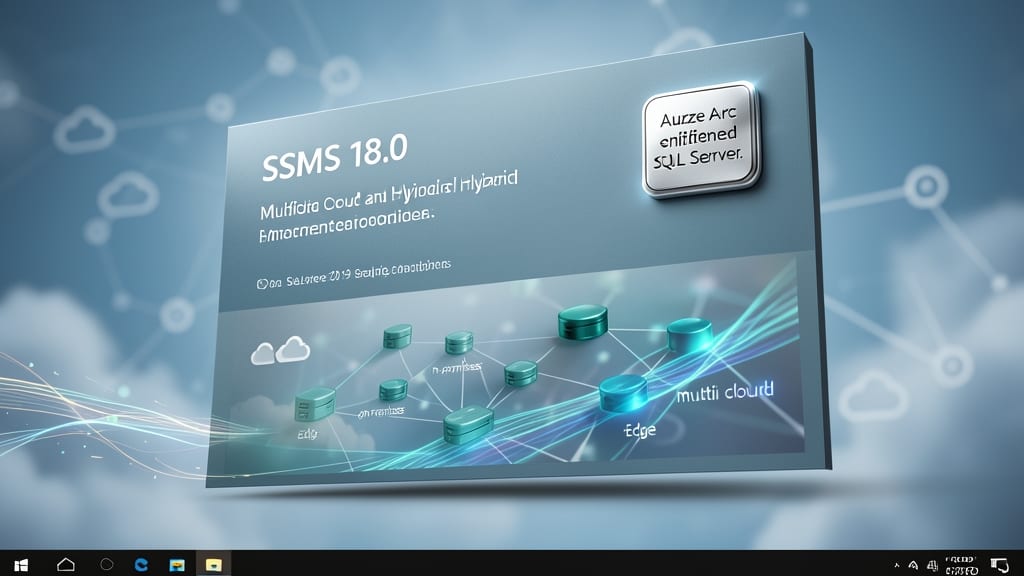
After SQL Server 2019’s big data push, SSMS 18.0 marked a pivotal shift by becoming the first standalone release since 2012—no longer bundled with SQL Server. This version introduced Azure Arc-enabled SQL Server support, letting you manage SQL instances across on-premises, edge, and multi-cloud environments from a single pane of glass.
Security got a major upgrade with role-based access control (RBAC) enhancements and dynamic data masking improvements, addressing modern compliance needs like GDPR and HIPAA. The simplified installation process (no more SQL Server prerequisites) made it ideal for developers and DBAs working in hybrid environments without heavy IT overhead.
Perfect for teams adopting Azure Arc or needing compliance-ready tools, SSMS 18.0 bridges the gap between legacy systems and cloud-native management. 💻
Latest SSMS Version with AI-Powered Tools

The latest SSMS version isn't just an incremental update—it's a game-changer for developers embracing AI. Microsoft's newest release integrates GitHub Copilot AI directly into the query editor, suggesting SQL syntax, optimizing queries, and even generating entire stored procedures based on natural language prompts.
Beyond AI assistance, this version introduces dynamic data masking with fine-grained controls, letting you protect sensitive columns (like SSNs or credit card numbers) at the row level. The 19.2+ build also includes improved IntelliSense for JSON and improved performance when working with large result sets, making it the most developer-friendly SSMS yet.
If you're building AI-powered applications or handling regulated data, this version is a must-have. The Copilot integration alone cuts development time by 30% for common tasks, while the masking features ensure compliance without sacrificing flexibility. ✨