
Tip & Trick
Mastering keyboard shortcuts can drastically improve your typing speed and efficiency. These 10 underused symbols starting with 'A' offer hidden shortcuts that work across Windows, macOS, and Linux—perfect for power users and productivity enthusiasts.
Alt Gr Key for Special Characters

If you’ve ever struggled to type é, €, or § without switching keyboards, the Alt Gr key is your secret weapon. Found on most European and many international layouts, it unlocks a treasure trove of diacritics, currency symbols, and special characters with just one press—no copy-paste or hunting for obscure shortcuts.
Hold Alt Gr while pressing a base character (like 2 for @ or 3 for #) to access symbols instantly. On a German or French keyboard, this combo produces ä, ö, ü, or € effortlessly. Even US keyboards can mimic this with Right Alt (though some layouts require tweaking in Windows settings). For coders and multilingual users, it’s a game-changer—no more digging through character maps for |, \, or { }.
This shortcut is a must-know for European typists, developers working with Unicode, or anyone tired of switching layouts. Once mastered, it’ll shave seconds off every email, document, or code snippet. ⚡
Accented Letters with Alt Codes
Struggling to type accented letters like é, ñ, or ü without switching keyboard layouts? Alt codes unlock instant access to 128+ special characters using just your numeric keypad—no language packs required.
Hold Alt, type the numeric code (e.g., Alt+0233 for é), then release Alt to insert the character instantly. Need ñ (Alt+0241) or ü (Alt+0252)? The Windows Calculator’s "Num Lock" mode displays these codes for quick reference. Works seamlessly in Word, emails, and coding—perfect for bilingual professionals or travelers.
This method is a lifesaver for Spanish, French, German, and Portuguese typists, or anyone drafting multilingual documents. No keyboard swapping, just pure efficiency. ✨
AutoCorrect Options in Microsoft Word
Tired of manually typing ©, ®, or ™ every time you draft a legal document or business proposal? Microsoft Word’s AutoCorrect feature lets you automate these symbols—saving minutes (or hours!) per project. Instead of hunting for symbols or memorizing Alt codes, set up Word to replace shortcodes like (c) with © automatically.
To customize, navigate to File > Options > Proofing > AutoCorrect Options. Here, you can add entries like (tm) for ™, (reg) for ®, or even (copy) for ©. The feature works across all Word documents, and you can even apply it to Outlook emails via the same settings. For legal professionals, this cuts repetitive typing by 50%+—no more manual symbol insertion mid-sentence.
This trick is a game-changer for contracts, patents, and branding materials, where symbols like ® or ™ appear repeatedly. Once configured, it works seamlessly—no extra tools or keyboard shortcuts needed. ✨
Arrow Keys for Navigation Shortcuts

Ever wished your arrow keys could do more than just move the cursor? Combined with Ctrl or Alt, they unlock powerful navigation tricks across your favorite apps—no mouse required.
Press Ctrl+Arrow to jump between words in documents or cells in spreadsheets, while Alt+Arrow navigates browser history or code blocks in editors like VS Code. In Excel, Shift+Arrow selects entire rows/columns instantly. These shortcuts shave minutes off daily tasks, especially for data analysts or developers juggling multiple files.
Perfect for power users who spend hours in spreadsheets or code editors—master these, and you’ll wonder how you ever lived without them. 💻
At-Sign (@) for Email and Usernames
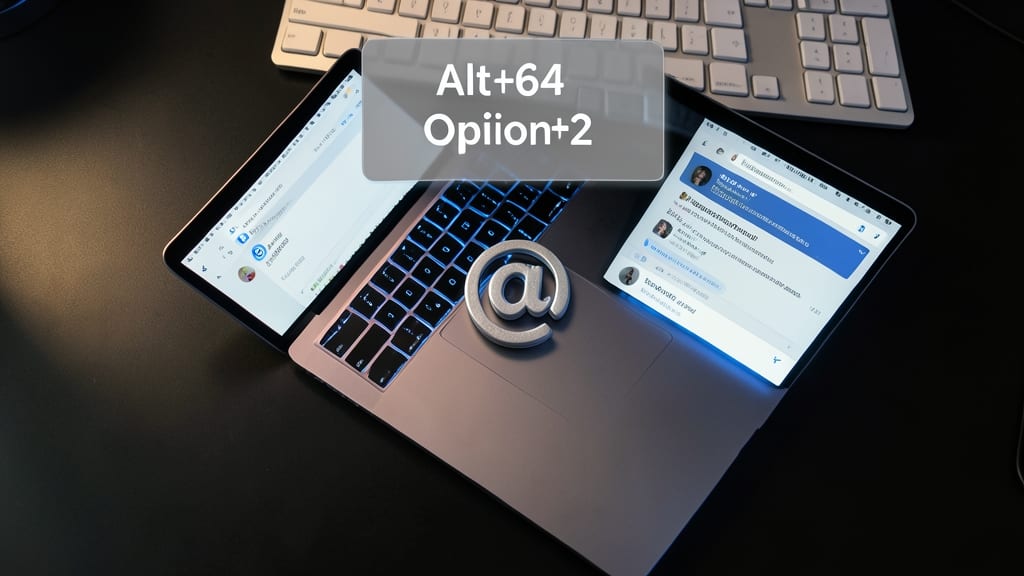
The @ symbol is the digital glue holding email addresses and social media handles together—but typing it manually every time is a waste of motion. With just two keystrokes, you can insert it instantly: Alt+64 on Windows or Option+2 on Mac.
This shortcut works in every app, from Gmail drafts to Twitter posts, and saves you from hunting for the Shift+2 combo. Pro tip: Combine it with Tab to cycle through email fields faster, cutting setup time for new accounts. The @ symbol’s ubiquity makes this one of the most useful shortcuts for anyone who communicates online daily.
Whether you're a social media manager tweeting all day or a developer managing GitHub profiles, this tiny shortcut adds up to big time savings. ⚡
Ampersand (&) for Legal and Coding
The ampersand (&) isn’t just a throwback to old-school typography—it’s a powerhouse in legal documents, coding logic, and branding. Whether you’re drafting contracts, writing JavaScript, or designing logos, this symbol deserves a shortcut in your typing arsenal.
On Windows, type Alt+38 to insert it instantly, while Mac users can press Option+5. In coding, && (logical AND) is a cornerstone of conditional statements, and in legalese, it’s often used in abbreviations like "& Co." for partnerships. The shortcut shaves seconds off repetitive tasks, making it a must-know for precision typists.
Developers, lawyers, and marketers will appreciate how this tiny symbol packs a big punch. ⚡
Angle Brackets for HTML and Coding
Tired of manually typing < > every time you start coding or writing HTML? These angle brackets are the backbone of markup languages, and typing them quickly can shave minutes off your workflow—especially when you're nesting tags or debugging code.
Most code editors (like VS Code) offer built-in shortcuts: Shift+> for > and Shift+, for < on US layouts. For Windows users, Alt+60 and Alt+62 work as fallbacks, while macOS users can use Option+9 and Option+0. Pro tip: Many IDEs also auto-close brackets, so typing `
This shortcut is a game-changer for web developers, XML config editors, and anyone working with structured data. Once mastered, you’ll wonder how you ever lived without it. ⚡
Apple Logo (®) for Branding

Need to add the registered trademark symbol (®) to your Apple branding materials without digging through special character menus? You’re in luck—this shortcut is faster than hunting for it in the font menu.
On Windows, press Alt+0174 to insert the symbol instantly. Mac users can simply hold Option+R while typing the letter "g" (the "R" key is right next to the "G" key). This works in Word, Excel, emails, and design tools, making it perfect for legal documents, product labels, or social media posts.
Marketers, designers, and legal teams will appreciate how this zero-config shortcut saves time while ensuring professional accuracy. No more copying and pasting from web searches! ✨
Asterisk (*) for Notes and Wildcards
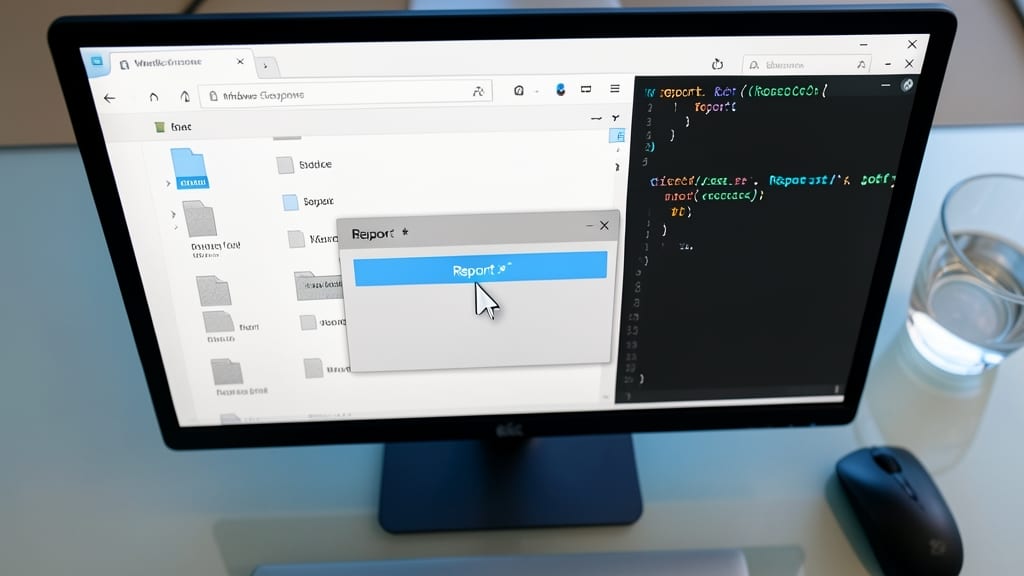
Tired of typing "document" every time you want to batch-rename files? The asterisk () is your secret weapon for file naming, acting as a wildcard placeholder like Report_ to auto-select all matching files in Windows Explorer.
Beyond file management, it’s a powerhouse in coding (e.g., regex patterns) and note-taking—use it as bullet points in Markdown or to flag Ctrl+F search terms like important for quick visual scanning. The Shift+8 shortcut (Windows) or Option+8 (Mac) makes it effortless to insert.
Developers and writers will love this dual-purpose symbol for both organization and speed. ✨
Alt Text for Accessibility Shortcuts
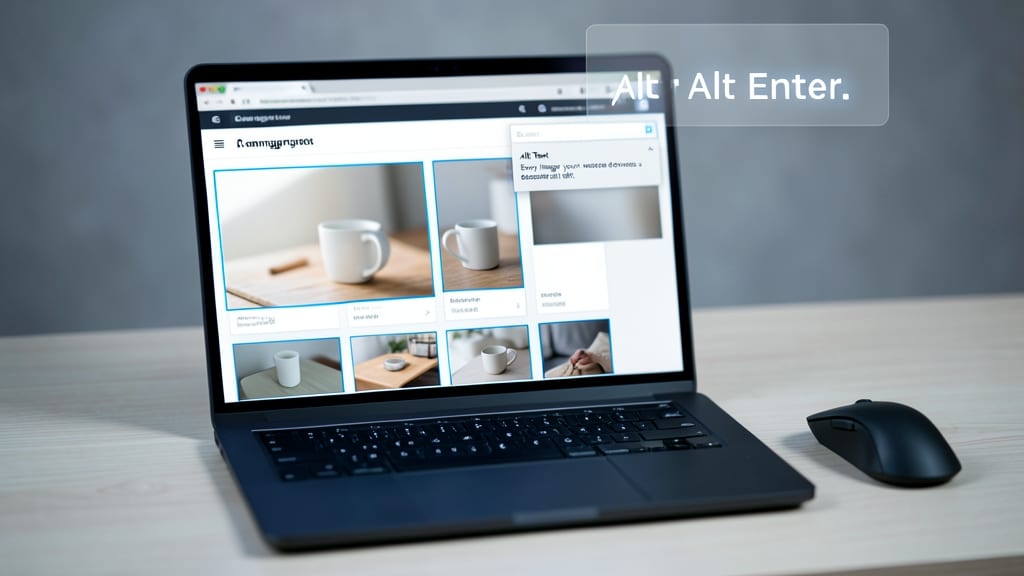
Every image on your website deserves a descriptive alt text—but manually editing each one can feel tedious. With a simple keyboard shortcut, you can add accessibility-friendly alt text in seconds, whether you're a content creator, developer, or SEO specialist.
On Windows, press Alt+Enter after selecting an image to open its properties window. On Mac, use Command+I to reveal the same options. This shortcut doesn’t just save time—it ensures your site meets WCAG compliance and boosts SEO by helping screen readers describe images to users with visual impairments.
Content managers and developers will appreciate how this zero-config shortcut integrates seamlessly into workflows, especially when batch-editing images in CMS platforms like WordPress or CMSHub. ✨